

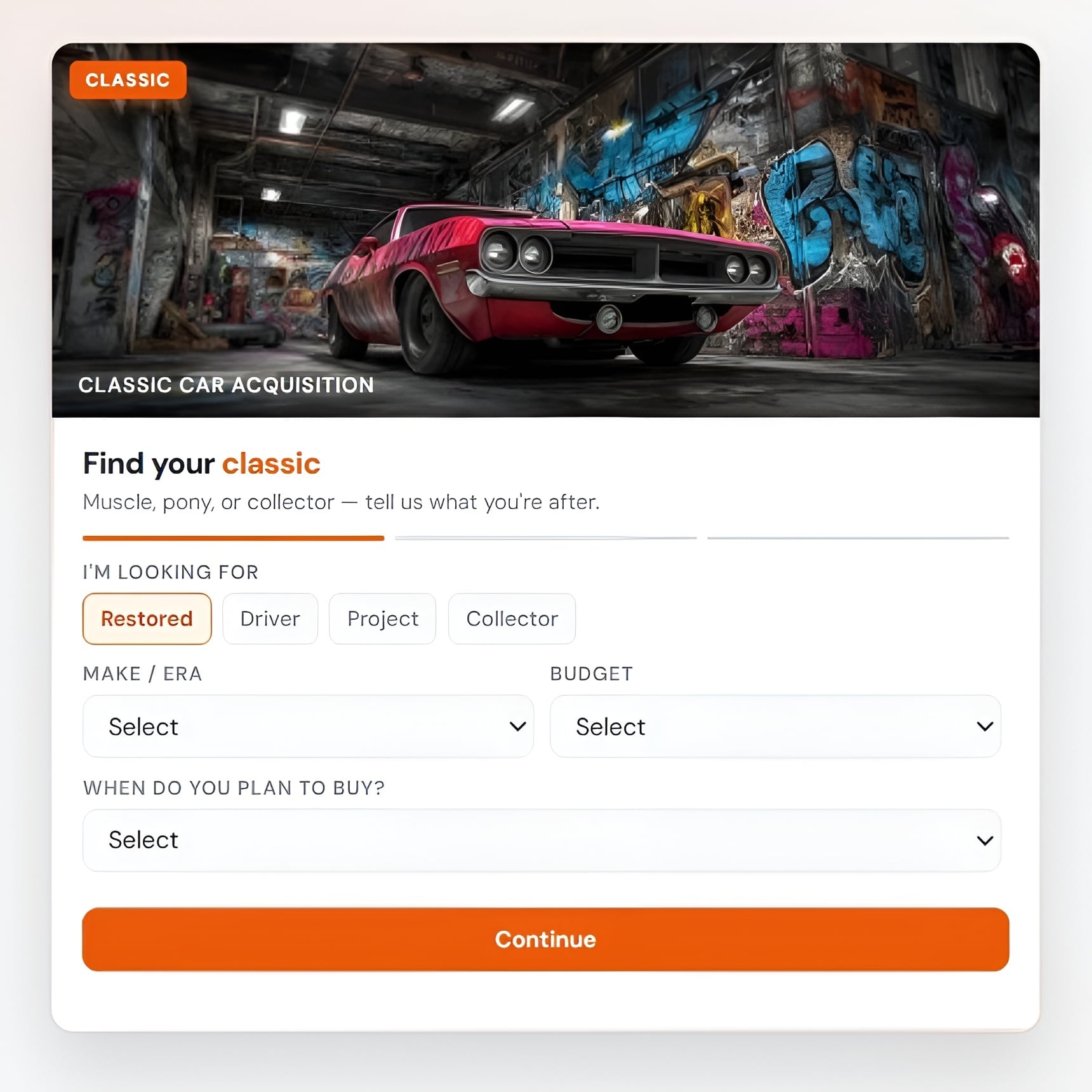
Maropost Acquisition Forms
Nicholas Nicholas Bevilacqua May 17, 2026
ACQUISITION FORMS

Boost Website Conversions with Dynamic Acquisition Forms

The challenge of growing an audience is no longer just about building a place to collect data—it’s about building a system that can think, react, and automate. Maropost turns this strategy into a code-free growth engine by leveraging the behavioral logic within the Maropost Form Builder. In modern marketing, an online form is not the end point of a customer’s journey; it is the active trigger of an entire automated conversion experience.

What is a Dynamic Popup? (And What Marketers Call Them)

If your website is struggling with high bounce rates, low opt-in rates, or passive visitors, you need a dynamic solution. That is where behavior-driven lead capture comes in.

Before we dive in, let’s clear up some industry noise. In the marketing world, many definitions are overly complicated and packed with dry buzzwords. That is exactly why searching for the right tools can feel so frustrating and difficult—you might be looking for "website overlays," while someone else calls them "popups," "slide-ins," or "lead-gen widgets."

The truth is, the best way to define any online form in marketing is simply by its strategic intent and ultimate business goal. This is why, within Maropost, these dynamic tools are officially called Acquisition Forms. While a "popup" is casually used to describe a box that pops up, a popup is actually just one visual layout option. The term "Acquisition Form" is the broader strategic category because it is defined by its ultimate business purpose—actively acquiring new contacts—and it includes exit-intent overlays, corner slide-ins, and full-screen welcome mats that respond directly to real-time visitor behavior.

While platforms use technical names like "acquisition forms," marketers and business owners refer to these conversion-boosting tools by several common, highly searched terms:

  • Lightbox Popups / Lightbox Overlays: Fades out the background page, placing a beautifully designed offer box center-stage to capture absolute focus.
  • Exit-Intent Popups / Exit-Intent Widgets: Triggered dynamically the millisecond a visitor's mouse moves toward the browser's "X" or "Back" button to leave your site.
  • Corner Slide-Ins / Slide-In Widgets: Slide up gently in the bottom-right corner of a blog post, providing non-intrusive capture for active readers.
  • Welcome Mats / Full-Screen Takeovers: Cover the entire screen when a visitor first lands, presenting a bold welcome discount or resource guide.

Simply defined, these are dynamic, behavior-driven lead-capture overlays designed to actively engage website visitors based on their real-time actions, rather than sitting passively in a footer or sidebar.

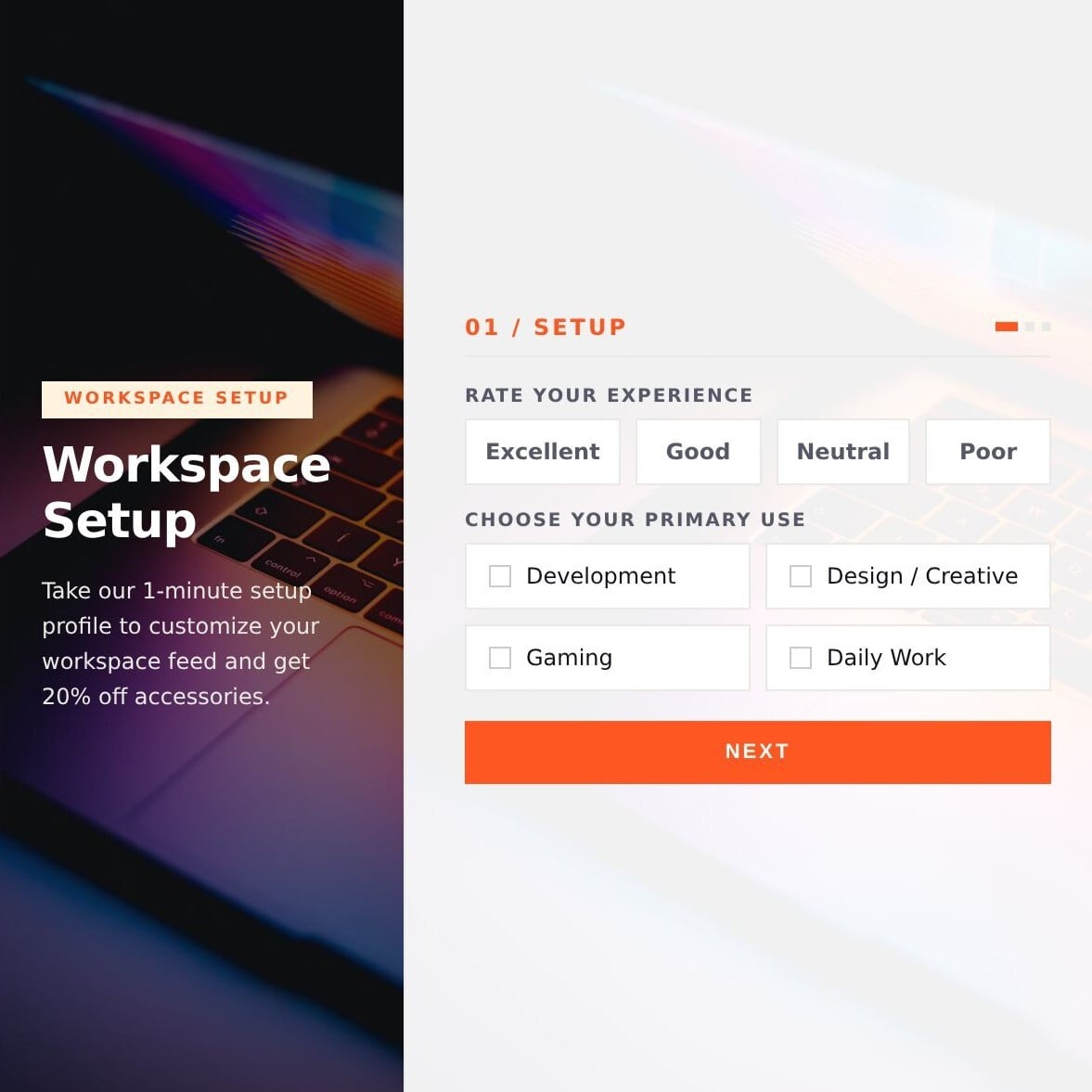
Why Exit-Intent Popups and Lightbox Builders are Essential for DTC, B2B, and SaaS

A Real-World Example of Recovering Leaving Traffic:

Imagine a prospective buyer browsing a DTC apparel collection page who is about to leave without subscribing. Just as they move their cursor toward the browser's close button to exit the site, a beautiful, customized lightbox popup fades onto the screen saying: "Wait! Join our community today. Enter your mobile number now to unlock an instant 15% discount code on your first purchase." That is a classic exit-intent popup capturing a warm lead in real time.

How Maropost Automates Your Acquisition:

Maropost turns this strategy into a code-free growth engine through the Maropost Form Builder. Instead of forcing you to stitch together third-party popup builders with clunky plugins, Maropost lets you visually design popups, set smart behavioral triggers (like exit-intent, time delays, or scroll percentage), and publish them securely across multiple domains. Best of all, because it is native, every email address or mobile SMS number captured is instantly synced to your database to trigger automated welcome campaigns—with zero latency.

But why does having a native, zero-latency database connection matter so much for a growing business? To understand that, we must look at how these behavior-driven forms fit into your broader marketing strategy.

In modern marketing, a popup is not an independent widget. Conceptually, it sits at the entry layer of marketing automation, acting as the bridge between anonymous website traffic and your owned marketing channels (email and SMS).

In practice, Maropost lets you convert passive website visitors into highly engaged contacts by executing these three core integration steps:

  • Deploy Unified Multi-Channel Captures: Instead of forcing users to fill out multiple forms, use Maropost’s visual editor to build a single, cohesive form that captures both email addresses and SMS phone numbers in one go. You can toggle native double-opt-in checkmarks for SMS inputs to ensure absolute TCPA compliance, automatically feeding both your email lists and mobile subscriber phone books simultaneously.
  • Automate Real-Time Database Mapping: Eliminate manual exports and imports. Link every custom field on your dynamic form (such as product interests, job title, or location) directly to your contact fields. The moment a visitor submits the form, Maropost's real-time API automatically maps and cleans the incoming data, suppressing duplicates and updating your marketing CRM instantly.
  • Set Up Instant Post-Submission Triggers: Set the form submission as the primary ignition switch inside Maropost’s visual Journey Builder. The millisecond a visitor clicks subscribe, the system automatically launches a multi-channel onboarding journey—delivering an instant SMS welcome coupon, waiting 24 hours, and following up with a personalized email series based on their captured interests.

Bottom Line: Native acquisition popups transform static website interactions into active marketing fuel, instantly feeding the lists that power your automated emails, SMS campaigns, and customer relationships.

However, simply establishing a real-time database connection is not enough to drive growth—you must also know how to get website visitors to actually fill out your forms. That is where strategic conversion optimization comes in.

The Science of Conversion: How to Target, Trigger, and Test for Maximum List Growth

In a sophisticated digital landscape, you cannot treat every website visitor the same. Maropost shifts dynamic popups from basic visual widgets into a powerful, psychological marketing layer that responds to individual consumer intent in real time.

1. Message Match: Aligning Your Offers to the Customer’s Journey

Relevancy is the ultimate conversion driver in modern digital marketing. When a visitor lands on your website, they arrive with a specific intent based on where they came from—their traffic source. If they clicked a social media ad, a targeted Google search, or a specific partner campaign, they are in completely different mindsets. Presenting them with a generic, one-size-fits-all email popup is a guaranteed way to drive them away, resulting in high bounce rates and wasted ad spend.

Maropost’s advanced contextual targeting solves this by letting you match specific dynamic popups to distinct page URLs. For example, visitors landing on a mobile campaign page from social media are shown ultra-clean, mobile-first forms designed for fast, frictionless inputs. Meanwhile, high-value blog readers are gently presented with contextual resource guides related directly to the topic they are reading, and high-intent SaaS or B2B visitors are shown structured "Book a Demo" request fields. By aligning your offer perfectly to their current journey, you eliminate friction and dramatically increase your conversion rates.

Bottom Line: Boost list growth by displaying highly tailored offers that perfectly match the specific page content your visitors are reading.

2. Zero-Party Data: Building Segments that Double Customer Lifetime Value (LTV)

Capturing an email address or mobile number is only the first step in digital marketing. The true competitive advantage belongs to brands that capture Zero-Party Data—insights, preferences, and details that your website visitors willingly and actively share with you. In a privacy-first world where third-party tracking cookies are disappearing, collecting zero-party data directly at the initial acquisition stage is the single most valuable asset your business can own.

Instead of dumping every new lead into one giant, unsegmented database, Maropost lets you collect rich customer attributes (like product interests, company roles, industry, or budget size) directly inside your dynamic lead-capture forms. Because our Acquisition engine connects natively to your marketing CRM, these data points instantly group your new subscribers into precise target segments. When you follow up, you don't send annoying, generic mass email blasts. Instead, you deploy hyper-personalized, relevant multi-channel welcome flows that have been statistically proven to double your customer lifetime value (LTV) and drive higher repeat sales.

Bottom Line: Capture valuable consumer preferences upfront, shifting from generic list building to hyper-personalized, high-revenue customer relationships.

3. Psychological Timing: Triggering Offers When Visitor Intent Peaks

The timing of your website popups is just as critical as the copy written on them. Interrupting a prospective customer the exact millisecond they land on your home page breaks their reading flow, feels intrusive, and frequently triggers an immediate website bounce. To convert high-value visitors, you must respect their psychological focus and trigger your offers at the exact moment their engagement peaks and they are most receptive to subscribing.

Native behavioral triggers make it simple to display your forms based on real-time website navigation patterns. With exit-intent triggers, the system tracks mouse speed and vectors, fading in a high-value recovery incentive the instant a user moves to close their tab or leave your page. With scroll depth triggers, you can wait to display a newsletter signup form until a reader has scrolled down 50% or 75% of a blog post, capturing them when they are already deeply engaged. You can even target lingering pricing-page hesitations with timing delays, providing the perfect gentle nudge to subscribe just when they are on the fence.

Bottom Line: Present your forms exactly when user interest is highest, maintaining a premium brand experience while maximizing conversions.

4. Scientific Scaling: Using Data, Not Guesswork, to Double Your Conversion Rates

Stop relying on gut feelings and marketing assumptions to design your website's lead capture experience. The most successful modern brands don't guess what their audience wants—they run scientific experiments to let their audience decide through behavioral data. Every visual element on your form, from the copy in your headline to the color of your call-to-action (CTA) button, can have a dramatic impact on your bottom-line subscription rate.

By leveraging Maropost's native A/B testing engine, you can systematically test multiple variations of your dynamic forms in real time. You can split-test different hook headlines, compare a 10% discount offer against a free shipping incentive, or test a non-intrusive corner slide-in against a center lightbox popup. The system automatically routes your traffic, collects data, and determines the statistically proven winner. This allows you to continuously scale your list-building ROI and business revenue based on hard consumer data rather than subjective opinions.

Bottom Line: Treat every visitor interaction as an optimization test to continuously scale your list-building ROI and business revenue.

Once you have established a high-converting, scientifically tested lead-capture system, the next critical question is: what happens the exact second a website visitor clicks the "Submit" button?

Post-Capture Monetization: Turning Leads Into Revenue Natively

The real power of a native marketing ecosystem is that the customer experience doesn't stop when a visitor clicks "Submit." Instead of treating a signup as a simple thank-you event, Maropost lets you convert that high-intent moment into a seamless, revenue-driving journey by deploying these five customer-centric strategies:

1. Dynamic Offers: Serving Tailored Post-Submission Incentives

The millisecond a visitor submits their contact details is when their purchasing intent is highest. Instead of displaying a generic, static "Thank You" page, you can instantly adapt the post-submission screen to reward them. For instance, an eCommerce customer who expressed interest in a specific product category is immediately shown a tailored, matching discount code, while a B2B SaaS prospect is instantly offered a booking link to secure a priority sales demo. Natively swapping these incentives fast-tracks warm subscribers straight to their first purchase.

Bottom Line: Modify follow-up content in real-time to reward users immediately after submission without extra page-load friction.

2. Context Continuity: Creating Frictionless Onboarding and Checkout Flows

Every redundant field a user is forced to fill out twice is a friction point where sales are lost. By carrying their captured contact attributes forward to subsequent pages automatically, you respect their time and streamline their experience. A new subscriber who transitions from your lead-capture form straight to a detailed webinar signup or an eCommerce checkout will find their name and email already pre-filled for them. This absolute continuity feels premium, builds confidence, and significantly increases post-signup conversions.

Bottom Line: Push lead data into post-click URLs to create personalized thank-you and checkout experiences.

3. Social Synergy: Capturing Warm Mobile Leads Direct from Paid Media

With the vast majority of consumer traffic browsing on mobile social apps like Facebook and Instagram, forcing mobile users to wait for external website pages to load is a major bounce risk. Native social lead capture bypasses website friction entirely by capturing leads directly inside their social feeds. Linking your social ads natively to your automated marketing channels ensures that mobile subscribers are ingested instantly, duplicate data records are suppressed automatically, and automated welcome journeys hit their inbox while their brand interest is hot.

Bottom Line: Bridge paid social media and owned channels with automatic ingest pipelines that stop duplicate data bloat.

4. Trust-First Marketing: Secure and Compliant Personalization

Modern consumers value data privacy and compliance above all else. When personalizing your customer onboarding flows, you must balance personalization with absolute security. By utilizing secure routing mechanics behind the scenes, your website can greet returning customers by name and display tailored account preferences without ever exposing sensitive database IDs or email addresses to the public web—building absolute consumer trust while keeping your list growth 100% secure.

Bottom Line: Maintain deep personalization continuity while hiding private internal database details from web scrapers.

5. Multi-Channel Harmony: Connecting Web Signals to Automated Lifecycles

A customer’s relationship with your brand is fluid, not static. If a visitor closes a specific popup or interacts with a high-intent welcome mat, that behavior should immediately change how you communicate with them. Linking real-time web interactions to your broader email and SMS journeys ensures they receive highly relevant campaigns. For example, the system can automatically pause general promotional emails if a prospect just booked a B2B sales demo—keeping your marketing channels in perfect, high-converting harmony.

Bottom Line: Unify your intake signals to constantly feed actionable data back into your broader strategic marketing campaigns.

Connecting web signals to automated lifecycles is the final piece of the audience acquisition puzzle. When you tie all of these strategic threads together, the entire marketing picture shifts.

Conclusion: Turn Leaving Traffic into Revenue with Native Automation

The era of static, isolated web forms is dead. Success requires a unified model where lead generation, email/SMS marketing, and lifecycle automation speak the same language. By deploying Acquisition Forms as the primary ignition switch for your marketing ecosystem, you create a seamless transition from website curiosity to automated customer conversion. Stop treating your sign-up button as the end of a line, and start using it as the engine driving your next automated breakthrough.

Related topics