.jpg?width=1600&height=900&name=Featured-image-3%20(2).jpg)
A marketing automation strategy is a plan for using software to trigger personalized email, SMS, and cross-channel campaigns based on customer behavior — not just scheduling batch sends. In 2026, the most effective strategies follow six steps: define goals, define your ideal customer, map the customer journey, track the right analytics, serve customers at scale, and deliver a coordinated multichannel experience.
Last updated: June 2026
Key takeaways
- Marketing automation combines strategy (who to message, when, and why) with software (journeys, triggers, segmentation, and reporting).
- Build your strategy in six steps: goals → ideal customer → journey → analytics → customer service → multichannel orchestration.
- Choose a platform that matches your send volume, integrations, and pricing model — see our best email marketing platforms for ecommerce comparison if you're evaluating ESPs.
- For ecommerce brands, Maropost Marketing Cloud (Maropost's platform for email, SMS, automated journeys, and Meta ad campaigns) supports full journey building, eRFM segmentation, and deliverability tooling in one system.
The 6-step marketing automation framework (2026)
- Define your goals — align automation to leads, conversions, retention, or LTV.
- Define your ideal customer — demographics, behavior, and preferred channels.
- Map the customer journey — triggers, messages, and hand-offs at each stage.
- Understand your analytics — track KPIs that prove automation is working.
- Serve your customers — speed, relevance, and support at scale.
- Provide a multichannel experience — email, SMS, push, and ads in one coordinated plan.
On this page:
- How marketing automation helps teams
- Why use marketing automation tools?
- What can you automate?
- 6 key steps to building a strategy
- Strategy checklist (copy for your team)
- What does a CRM system do?
- Frequently asked questions
How Marketing Automation Helps Teams
Today's marketers are expected to drive more revenue with fewer resources. Marketing automation helps teams recognize audiences, create relevant content, and trigger campaigns based on behavior — without manually pressing send on every email, SMS, or social post.
Good automation platforms help you implement digital strategies at scale: welcome series, abandoned-cart recovery, post-purchase follow-ups, win-back flows, and lifecycle segmentation. For ecommerce, that usually means pairing behavioral triggers with a platform built for store data — not just a basic newsletter tool.
Why Use Marketing Automation Tools?
Think of marketing automation as a system that handles repeatable, rules-based work so your team can focus on strategy, creative, and optimization.
Common benefits include:
- More efficient marketing operations
- Stronger return on investment from lifecycle campaigns
- Higher conversion rates through timely, personalized messages
- Better lead and customer management across channels
What can you automate?
Most marketing automation programs focus on:
- Email marketing — newsletters, triggered flows, transactional messages
- SMS and mobile messaging — cart reminders, shipping updates, promotions
- Social and paid media — coordinated retargeting and audience sync where your platform supports it
- Sales and lead workflows — scoring, nurturing, and hand-off to sales or support
The scope depends on your platform. Ecommerce teams often start with email and SMS journeys, then expand into ads and unified customer profiles as volume grows.
Key Steps to Building a Marketing Automation Strategy
Software alone won't fix weak strategy. Use this six-step framework to build a plan that matches your customers, channels, and business goals — then choose tools that can execute it.
1. Define Your Goals
Before you build flows, set specific, measurable goals. Marketing automation should support outcomes like:
- Converting more leads from key landing pages or thank-you pages
- Increasing repeat purchase rate and customer lifetime value
- Reducing manual work for your marketing team
- Improving deliverability and engagement on high-volume sends
Track whether leads and conversions are trending up, then define which platform features you need to get there — segmentation, journey builder, SMS, ecommerce integrations, or deliverability support.
There are thousands of marketing automation platforms, and the right fit depends on your customer journey. Start with our best email marketing platforms for ecommerce (2026) overview. If you're outgrowing a starter ESP like Mailchimp, see Mailchimp alternatives for ecommerce before you rebuild your automation stack.
2. Define Your Ideal Customer
Every automation decision should reflect who you're trying to reach. Define your ideal customer using:
- Demographics — age, location, gender, education
- Behavior and interests — purchase frequency, categories, income, family situation
- Channels — email, SMS, social, push, in-store, or support chat
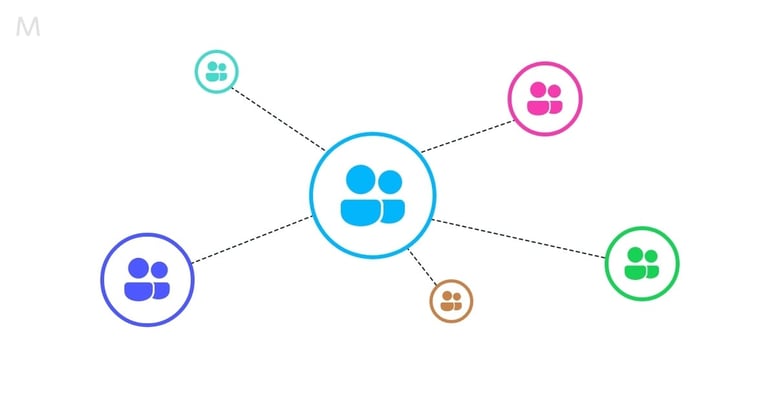
Use past campaign and purchase data to refine segments over time. Combine what worked with fixes for underperforming journeys.
3. Create Customer Journey
Every personalized experience a customer has with your brand forms their journey. Marketing automation lets you tailor messages at each stage using behavioral data.
Examples of journey-based automation:
- Dynamic email content — go beyond first-name merge tags; use purchase history, category interest, and engagement signals.
- SMS integrated with email — cart recovery, shipping updates, and VIP offers coordinated across channels.
- Timely ads — retarget high-intent segments when your platform supports email + SMS + paid media orchestration (e.g. Maropost Marketing Cloud).
4. Understand Your Analytics
Tracking performance is essential. Automation without measurement leads to stale flows and wasted sends. Monitor the email marketing metrics and KPIs that matter: open rate, click rate, conversion rate, revenue per send, list growth, and deliverability.
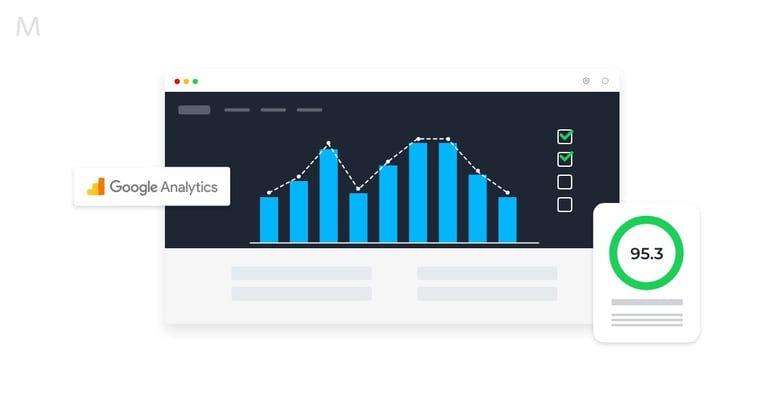
Use what you learn to refine segments, pause underperforming journeys, and double down on flows that drive revenue. Strong deliverability underpins every metric — see email deliverability 101 if inbox placement is slipping.
5. Marketing Automation Strategy Should Serve Your Customers
Automation should make customers feel served, not spammed. As volume grows, manual replies don't scale — especially in ecommerce, where slow answers often mean abandoned carts.
Automation can support customers through:
- Triggered post-purchase and shipping updates
- Proactive win-back and replenishment reminders
- Segmented help content based on order history
- Chatbots or support routing for common questions (where appropriate)
Balance automation with relevance: every message should answer a customer need or advance a journey they opted into.
6. Provide a Multichannel Experience
Multichannel marketing automation coordinates email, SMS, push, and paid media so customers get one consistent experience — not disconnected blasts from separate tools.
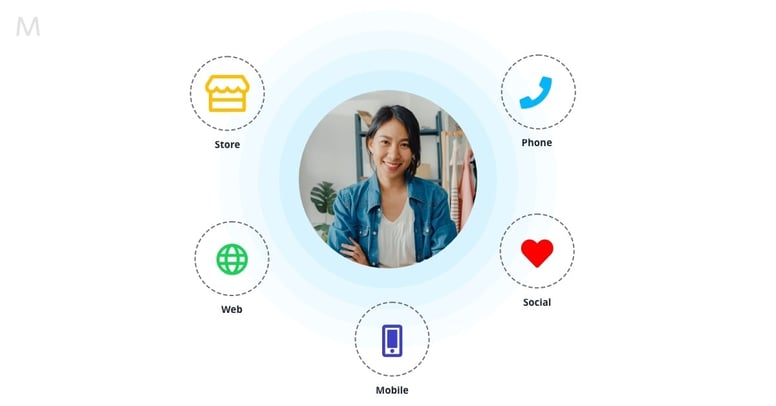
For ecommerce, email remains the core channel — but SMS and retargeting ads often lift recovery and repeat purchase rates when tied to the same segments and triggers. Platforms like Maropost Marketing Cloud bring email, SMS, journeys, and Meta ad campaigns into one system so teams aren't juggling disconnected logins.
CRM tools can complement automation by storing interaction history across sales and support. Use CRM data to enrich segments, not replace your ESP's journey engine.
Marketing automation strategy checklist
Use this on-page checklist when planning or auditing your program:
- Goals documented — primary KPI (revenue, leads, retention) and secondary metrics defined
- Ideal customer profile — segments mapped to data you can actually capture in your store or CRM
- Journey map — welcome, browse/cart, purchase, post-purchase, win-back, and VIP flows listed
- Platform fit — integrations, send volume, pricing model, and deliverability requirements confirmed (compare platforms)
- Analytics baseline — current open, click, conversion, and revenue metrics recorded before launch
- Content and templates — dynamic blocks, product recs, and brand voice guidelines ready
- Compliance — consent, unsubscribe, and SMS opt-in rules documented
- Test plan — A/B tests and send-time experiments scheduled for first 90 days
- Review cadence — monthly journey audit on calendar
What Does a CRM System Do?
A CRM collects customer contact and interaction data across channels — email, phone, social, and support — and organizes it so sales and marketing teams see the full relationship over time.
CRM and marketing automation work best together: the CRM holds account and deal context; the automation platform executes campaigns and journeys. For ecommerce-heavy teams, your ESP or marketing cloud often owns behavioral and purchase data; CRM may sit alongside for B2B or hybrid models.
Ready to Create Your Next Marketing Automation Strategy?
Marketing automation adoption continues to grow — roughly half of marketers now use at least one automation tool. The difference is strategy: pick software that matches your volume and integrations, then execute the six steps above with clear goals and measurable KPIs.
Next steps for ecommerce teams:
- Explore Maropost Marketing Cloud — email, SMS, journeys, and Meta ads in one platform
- Review Maropost pricing or book a demo
- Compare platforms: best email marketing platforms for ecommerce
Related reading
- 5 Best Email Marketing Platforms for Ecommerce (2026)
- Mailchimp alternatives for ecommerce (2026)
- 10 essential email marketing metrics and KPIs
- 11 tips to increase email open rates
- Email deliverability 101
- Maropost Marketing Cloud · Pricing
Frequently asked questions
What is a marketing automation strategy?
A marketing automation strategy is a documented plan for using software to send personalized, behavior-triggered messages across channels like email and SMS. It defines your goals, target segments, customer journeys, metrics, and the platform you'll use to execute campaigns — so automation supports revenue and retention, not just scheduled blasts.
What are the key steps to building a marketing automation strategy?
The six core steps are: (1) define goals, (2) define your ideal customer, (3) map the customer journey, (4) track and act on analytics, (5) design automation that serves customers, and (6) coordinate a multichannel experience across email, SMS, and other touchpoints.
What is the best marketing automation platform for ecommerce?
It depends on send volume, integrations, and pricing. Maropost Marketing Cloud fits high-volume ecommerce with pay-per-send pricing, eRFM segmentation, and email + SMS + Meta ads. Klaviyo and Omnisend suit many mid-market stores. See our platform comparison or Mailchimp alternatives if you're switching ESPs.
How do I measure marketing automation success?
Track conversion rate, revenue per email, click-through rate, list growth, and deliverability — not just opens. Compare journey performance before and after changes, and review flows monthly. Our essential email marketing metrics guide covers the KPIs to prioritize.