
Ecommerce digital marketing is how online stores attract, engage, and convert shoppers using channels like SEO, paid search, email, social media, and marketing automation — guided by data, not guesswork. In 2026, winning brands sync those channels around one customer view (unified commerce) and prioritize owned channels like email and SEO for ROI.
Last updated: June 2026
Key takeaways
- Ecommerce digital marketing targets buyers already online — with the right offer, at the right time, on the right channel.
- Start with five core channels: SEO, SEM/paid, content, email, and social; add automation and analytics as you scale.
- Email and SEO typically deliver the highest long-term ROI; paid social and search accelerate discovery.
- Supercharge results with better buyer experience, retargeting, and continuous A/B testing.
- Platforms like Maropost Marketing Cloud (email, SMS, automation, and Meta ads) plus unified commerce help teams run channels from one data layer.
On this page:
- What is ecommerce digital marketing?
- Why it matters
- Marketing channels (SEO, paid, content, email, social)
- Marketing automation · Analytics
- 3 tactics to supercharge growth
- Tools & platforms
- 2026 strategy framework
- FAQ
What is ecommerce digital marketing?
Ecommerce digital marketing is the strategic process of attracting, engaging, and converting online shoppers through digital channels — SEO, paid media, social, email, SMS, and automation. Data-driven tactics guide prospects through a personalized journey to purchase and repeat purchase.
Good strategy does not try to reach everyone. It focuses on your target audience, moves them through a defined sales funnel, and measures what converts — not just what gets clicks.
Why is ecommerce digital marketing important?
Great products do not sell themselves. If shoppers never see your offer, they cannot buy — especially when competitors are one tab away.
Digital marketing lets you:
- Reach buyers where they already are — search, social, and inbox
- Target defined audiences instead of broad offline spend
- Personalize journeys with AI, segmentation, and behavioral triggers
- Scale globally as internet adoption grows across regions
For channel-level depth, see our guides on best email marketing platforms for ecommerce and building a marketing automation strategy.
Ecommerce marketing channels you must know
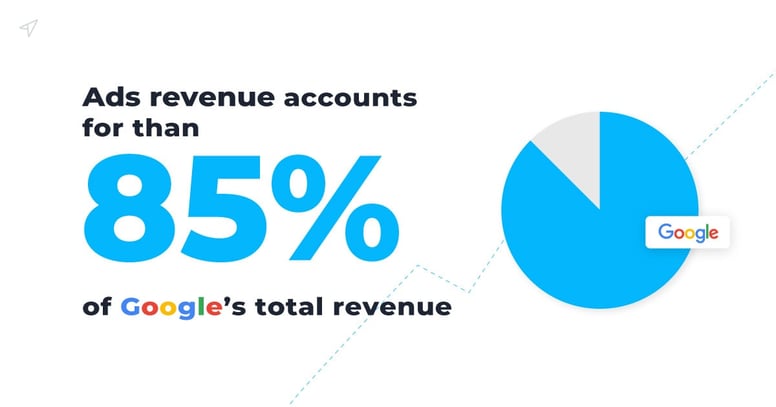
New ad formats appear constantly — Google and Meta alone drive most platform innovation because advertising is their core business model. Start with these five proven channels, then layer automation and analytics.
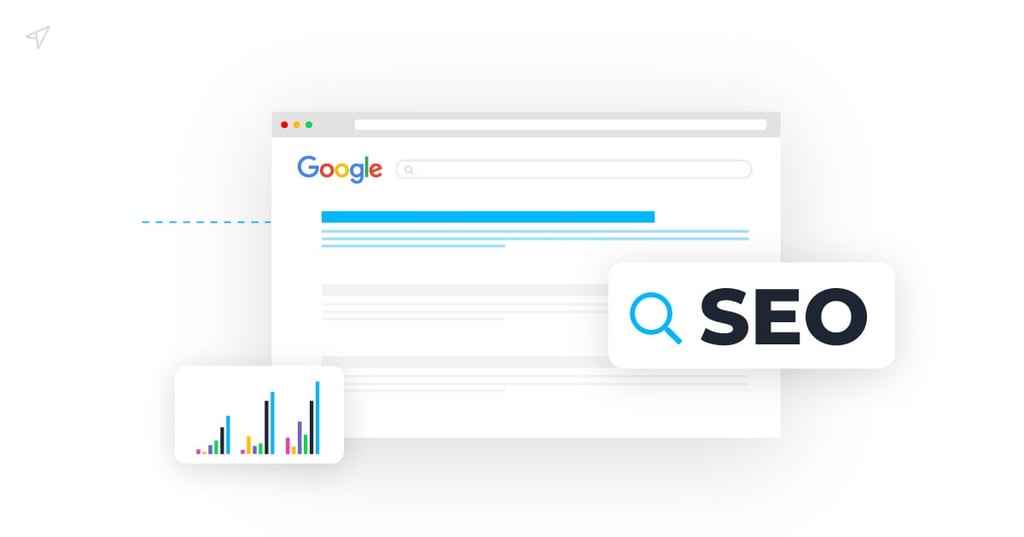
1. Search engine optimization (SEO)
SEO often delivers the highest long-term ROI among ecommerce channels: organic traffic converts well and does not require per-click fees once you rank.
Action steps:
- Optimize product and category pages for buyer-intent keywords
- Publish helpful content (guides, comparisons, FAQs) that earns links
- Fix technical basics: site speed, mobile UX, structured data, internal links
2. Search engine marketing (SEM / paid search)
SEO takes time. Pay-per-click (PPC) puts your store in sponsored results while you build organic visibility — ideal for launches, promos, and high-margin SKUs.
Action steps:
- Start with branded + high-intent non-brand campaigns
- Sync product feeds and landing pages with ad copy
- Track ROAS and pause keywords that do not pay back
3. Content marketing
Content builds trust: how-to guides, comparison posts, videos, and infographics that answer real buyer questions keep your brand top of mind.
Action steps:
- Map content to funnel stages (awareness → consideration → purchase)
- Repurpose blog content into email, social, and retargeting creative
- Link internally to product pages and cornerstone guides
4. Email marketing
Email is not dead — it remains one of the most cost-effective owned channels for ecommerce. Use scheduled campaigns for launches and promos; use triggered flows for abandoned cart, post-purchase, and win-back.
Action steps:
- Build welcome, cart recovery, and post-purchase automations first
- Segment by purchase history, engagement, and lifecycle stage
- Improve opens and deliverability — see 11 ways to increase email open rates and email deliverability 101
Choosing an ESP? Compare options in our best email marketing platforms for ecommerce (2026) guide.
5. Social media marketing
Most mobile users are active on social platforms — you do not need every network, only the ones your buyers use.
Action steps:
- Pick 1–2 primary platforms (e.g. Instagram/TikTok for DTC, LinkedIn for B2B)
- Mix organic content with paid retargeting and catalog ads
- Send social traffic to dedicated landing pages, not generic homepages
6. Marketing automation
Automation connects channels: behavioral triggers, cross-channel journeys (email + SMS + ads), and segmentation at scale.
Action steps:
- Document goals, ideal customer, and journey map before picking tools
- Start with high-ROI flows: welcome, browse/cart abandon, replenishment
- Follow our 6-step marketing automation strategy
7. Analytics & measurement
Without measurement, channel spend becomes guesswork. Track revenue-linked KPIs, not vanity metrics alone.
Action steps:
- Monitor CLV, ROAS, conversion rate, and email/SMS engagement
- Review essential email marketing metrics and KPIs monthly
- Attribute campaigns consistently (UTMs, platform reporting, unified dashboards)
3 tactics that supercharge ecommerce marketing
1. Improve buyer experience
Fast support, intuitive checkout, clear shipping/returns, and mobile-friendly UX beat gimmicks. Ask for feedback — then act on it.
2. Retargeting
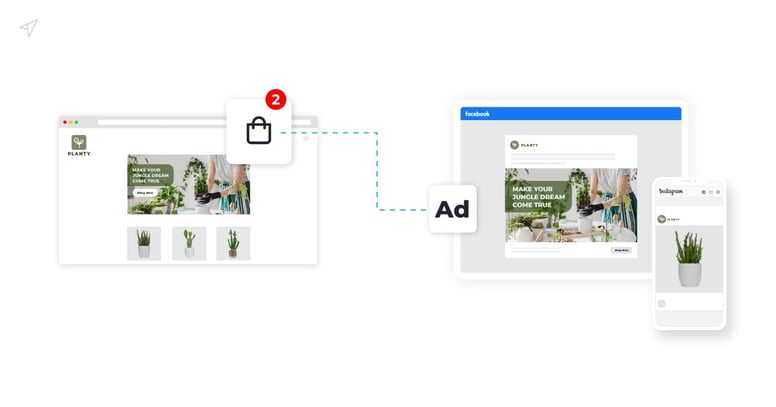
Retargeting shows ads (or emails/SMS) to people who visited, subscribed, abandoned cart, or engaged on social — bringing high-intent visitors back. Maropost Marketing Cloud supports email, SMS, and Meta ad campaigns from shared segments.
3. Test continuously
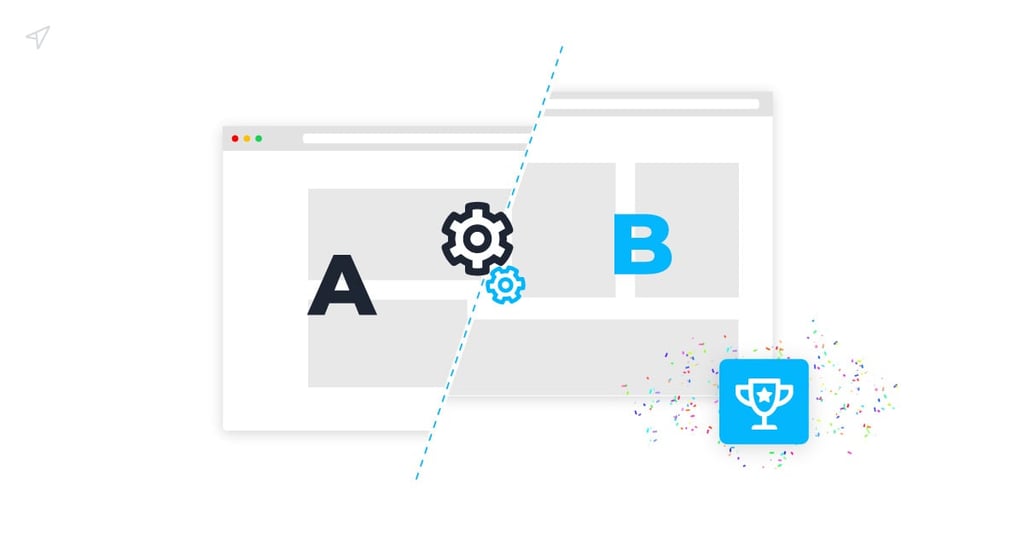
Small changes — CTA placement, offer framing, landing page layout — can shift revenue materially. Run structured A/B tests on site, email subject lines, and paid creative; build segment-specific landing pages where volume justifies it.
Tools & platforms for ecommerce digital marketing
Your stack should connect store data, messaging, and reporting. For mid-market and enterprise ecommerce, consider:
- Maropost Marketing Cloud — Maropost's platform for email, SMS, automated journeys, and Meta ad campaigns (not a generic third-party label). Includes eRFM segmentation and deliverability tooling.
- Maropost Unified Commerce — storefront, orders, marketing, merchandising, and support on one data layer.
- ESP comparison hub — neutral review of top ecommerce email platforms.
- Mailchimp alternatives — if you're outgrowing starter email tools.
See Maropost pricing or book a demo.
The 2026 ecommerce strategy framework
Beyond 101 basics, leading brands use a unified commerce approach:
- Unified data — POS, inventory, and storefront in one source of truth
- AI personalization — product recommendations and dynamic content
- Channel sync — consistent pricing and stock across web, social, and store
- Automated retention — predictive SMS and email based on purchase cycles
- Predictive merchandising — forecast demand before peak seasons
Related reading
- 5 Best Email Marketing Platforms for Ecommerce (2026)
- 11 ways to increase email open rates
- 10 essential email marketing metrics and KPIs
- Email deliverability 101
- Marketing automation strategy: 6 steps
- Mailchimp alternatives for ecommerce
- Maropost Marketing Cloud
Frequently asked questions
What is ecommerce digital marketing?
Ecommerce digital marketing is the strategic process of attracting, engaging, and converting online shoppers through channels like SEO, social media, email, and paid ads. It uses data-driven tactics to guide prospects through a personalized sales funnel and build long-term loyalty — often within a unified commerce environment where store, marketing, and customer data connect.
What are the best digital marketing channels for ecommerce in 2026?
Social excels at discovery; SEO and email marketing usually deliver the strongest sustained ROI. In 2026, top performers sync data across channels (unified commerce) so email, SMS, ads, and onsite experiences reflect the same customer profile and inventory.
How much should I spend on ecommerce digital marketing?
Many growth-stage brands allocate 10–15% of revenue to marketing. Prioritize owned channels — email automation and SEO — before scaling paid social and search, then reinvest based on ROAS and CLV.
What is the main benefit of a unified data strategy?
Unified data creates a single source of truth by connecting POS, inventory, and your online storefront. That reduces overselling, eliminates siloed reporting, and powers AI-driven personalization that lifts conversion rates.
How do I measure ecommerce marketing success in 2026?
Track customer lifetime value (CLV), return on ad spend (ROAS), and conversion rate alongside channel metrics like email open/click rates and organic traffic growth. See our email marketing metrics and KPIs guide for a full checklist.
Conclusion
Ecommerce digital marketing puts the right offer in front of the right shopper at the right time. Without a clear strategy — and tools that connect your channels — competition and platform complexity will outpace ad-hoc efforts.
Start with the channels and tactics above, measure what matters, and explore Maropost Marketing Cloud if you need email, SMS, automation, and ads on one platform built for ecommerce scale.

.png?width=600&height=338&name=Master%20Template%20(2).png)